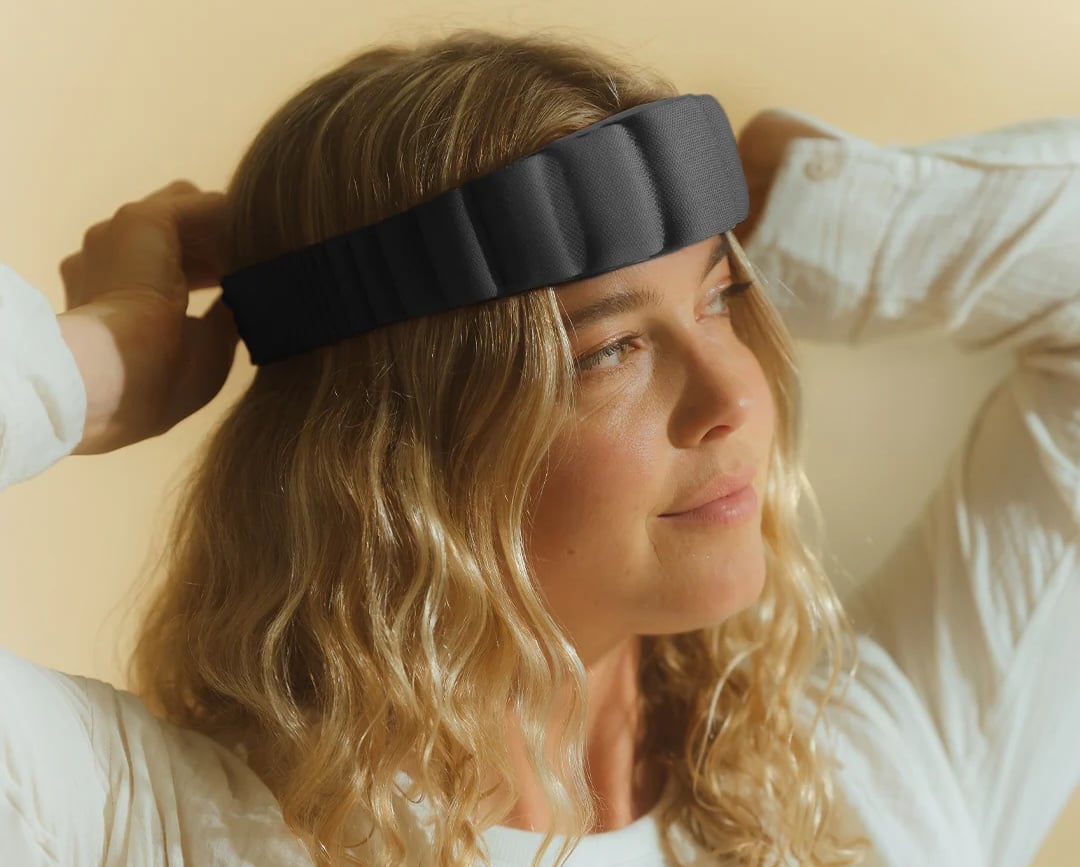
What if the real reason people wake up exhausted has less to do with how long they sleep and more to do with how well their brain actually rests? That question is exactly what Somnee Sleep is trying to answer with its personalized sleep technology. Instead of offering a quick fix or another sleep supplement, the brand focuses on helping the brain settle into a healthier sleep rhythm naturally. Somnee Sleep combines neuroscience, AI powered sleep insights, and gentle neurostimulation technology to support deeper and more restorative rest. As more people search for natural sleep aids, smart sleep devices, and better ways to improve sleep quality, Somnee Sleep is quickly standing out in the growing world of sleep wellness. It feels less like another gadget on the nightstand and more like a smarter way to finally take sleep seriously.
DEAL: Get $30 off with your Somnee Sleep headband purchase! Use this link to shop, and use the coupon code HELLOSUB_7JZTQCTGGBCF at checkout!
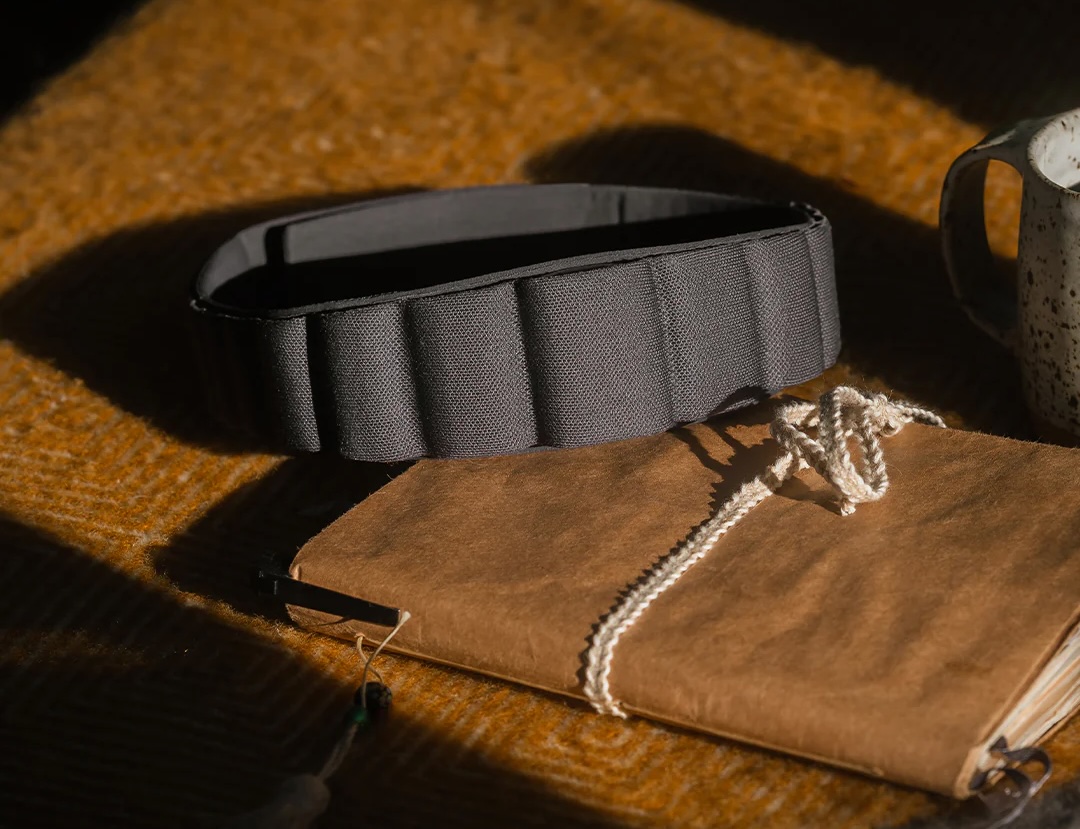
Somnee Sleep Works With the Brain Instead of Against It
One reason Somnee Sleep feels different from traditional sleep products is because it is designed around how the brain naturally prepares for sleep. The wearable headband uses EEG sensors to read brainwave activity and create a personalized “brainprint” based on each user’s unique patterns. From there, the system delivers gentle transcranial alternating current stimulation, also known as tACS, to help guide the brain toward a calmer and sleep ready state. The process takes only about 15 minutes before bed, making it easy to add into an evening routine without feeling complicated or overwhelming. Unlike sleep trackers that simply report how poorly someone slept, Somnee Sleep actively works to help improve the quality of rest itself. That combination of personalized data and real time support is a big reason why the technology has been gaining attention in the sleep tech space.
The Somnee Sleep App Makes Bedtime Feel More Intentional
The Somnee Sleep experience goes beyond the wearable itself thanks to its companion app, which acts almost like a personalized sleep coach. Users can view detailed sleep insights, track trends over time, and better understand how habits and routines may be affecting their rest. The app also helps the system adapt over time, learning how each individual responds to different sleep patterns and nightly sessions. Instead of delivering the exact same experience every evening, Somnee Sleep becomes more personalized the more consistently it is used. That makes it especially appealing for people who enjoy tracking wellness goals, recovery habits, and overall sleep performance. In a world where people monitor everything from daily steps to hydration, having a smarter and more personalized approach to sleep feels like a natural next step.

Why Doctors and Sleep Experts Are Talking About Somnee Sleep
Somnee Sleep has also attracted attention because of the scientific expertise behind the brand. The technology was developed with guidance from leading neuroscience and sleep researchers, including sleep expert Dr. Matthew Walker, whose work has helped bring more public attention to the importance of quality sleep. Rather than relying on heavy sleep medications or temporary solutions, Somnee Sleep focuses on supporting the brain’s own natural sleep processes through non invasive technology. That approach has made it especially interesting to people looking for drug free sleep support and healthier long term sleep habits. Many users are drawn to the idea of improving sleep quality without having to depend on nightly supplements or sedatives. The combination of neuroscience, AI personalization, and wearable sleep technology gives Somnee Sleep a more thoughtful and modern approach compared to many traditional sleep products.
Somnee Sleep Is Reimagining What Better Rest Can Look Like
What makes Somnee Sleep especially interesting is that it is not trying to become another short term sleep trend. The system is designed to help users build healthier and more consistent sleep habits over time through ongoing personalization, sleep insights, and adaptive technology. Its membership model supports continued updates, fresh electrode replacements, and a sleep experience that evolves alongside the user’s routines and lifestyle. That long term approach feels especially relevant today, when stress, screen time, inconsistent schedules, and burnout continue to affect how people sleep and recover. Instead of simply tracking exhaustion after it happens, Somnee Sleep aims to help people create a more intentional relationship with rest itself. As conversations around wellness, recovery, and mental performance continue to grow, could brain based sleep technology like Somnee Sleep become the future of how people finally get the deep sleep they have been missing?

Comments